We’ve all been there: you turn to check your blind spot or look down at your phone, and a sharp tingle in your neck reminds you just how much tension you’ve been carrying. Searching for a “massage spa near me” often returns endless results, leaving you wondering if you need a relaxing escape or a focused clinical fix. You might also try variations like “massage and spa near me” or “body massage spa near me” to surface local options that match both relaxation and therapeutic goals.
Summary
This guide shows how to choose the right local massage by matching your symptoms and goals to the proper modality—Swedish for stress relief, Deep Tissue and trigger point work for targeted pain. It covers first-time spa etiquette (intake, draping, comfort levels) and how to vet reputable providers through licensing, professional atmosphere, and realistic pricing. You’ll learn when to opt for specialized options like lymphatic drainage, reflexology, or prenatal adjustments, and how add-ons like essential oils and heat can boost results. Finally, follow simple post-session hydration and recovery tips and commit to a maintenance schedule to turn short-term relief into lasting resilience.
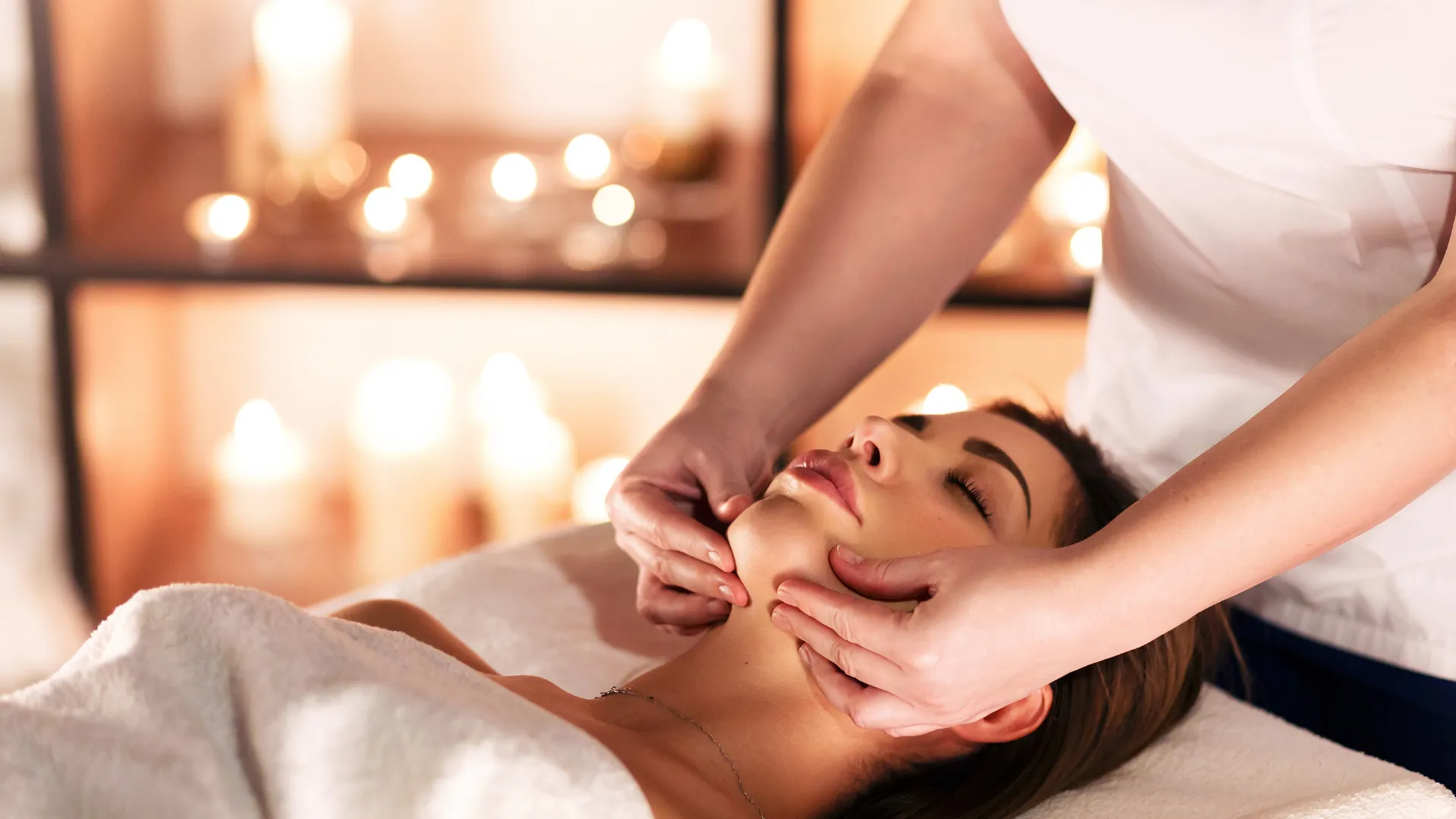
While a spa day sounds luxurious, distinguishing between a pampering session and therapeutic bodywork for chronic stress relief is crucial for actual pain management. According to wellness experts, targeting specific “knots”—technically known as adhesions—requires a different approach than a standard relaxation massage.
Finding the right provider doesn’t have to be a gamble. Matching the service to your physical needs ensures you find genuine relief.
Swedish vs. Deep Tissue: Choosing the Technique That Actually Fixes Your Ache
Most booking menus split sharply between “Swedish” and “Deep Tissue,” leaving many clients guessing which option matches their pain. If your primary goal is to hit a “reset button” on stress after a chaotic week, Swedish massage is likely the right path. This modality uses long, gliding strokes to calm the nervous system and encourage blood flow, making it ideal for general relaxation rather than specific injury repair.
Chronic stiffness—like that stubborn “tech neck” from staring at screens—usually requires the focused intensity of Deep Tissue therapy. Here, the therapist targets specific layers of muscle to break up adhesions. Imagine a tangled knot in a shoelace; simply rubbing over it won’t help, but applying precise, firm pressure works the snag loose to restore movement.
Match your current symptoms to the recommended solution to simplify the choice:
- General fatigue or anxiety: Choose Swedish to lower stress hormones.
- Sharp, localized pain: Choose Deep Tissue to release trigger points.
- Post-workout soreness: A mix often works best to address tightness.
Communication is the tool that ensures comfort regardless of the technique selected. Therapists often use a 1-10 pressure scale, so aim for a “good hurt” around a 7 for therapeutic results without causing you to tense up.
The First-Timer’s Guide to Spa Etiquette: What Happens Behind the Closed Door
Walking into a spa for the first time often brings up questions about paperwork and privacy, but the process always begins with a crucial safety step: the intake form. This documentation isn’t just bureaucracy; it acts as a roadmap for the therapist, highlighting injuries, allergies, or sensitive areas they should avoid. Be honest about everything from recent surgeries to ticklish feet, as this data helps them customize the session to your body’s specific needs without any guessing games.
Once you enter the treatment room, the therapist will leave you to undress to your comfort level and get under the top sheet. Professional spas rely on “draping,” a technique where only the specific body part being worked on is uncovered while the rest of you remains securely hidden under warm linens. You never need to be fully exposed, and if you prefer keeping undergarments on, that is perfectly acceptable.
Arriving early allows you to transition mentally from traffic stress to relaxation mode before you even hit the table. Use those final fifteen minutes wisely to ensure the smoothest experience possible:
- Use the restroom: A full bladder is the quickest way to ruin relaxation.
- Silence your phone: Turn it completely off to prevent vibrating interruptions.
- Hydrate lightly: Drink a small cup of water, but don’t overdo it.
- Check in mentally: Pinpoint exactly where your tension is located to tell your therapist.

Spotting a Professional: Licensing, Credentials, and Red Flags
Finding a reputable spot starts with verifying the “LMT” title, or Licensed Massage Therapist. This distinction proves the provider completed state-mandated training in anatomy and ethics tailored to the human body. You should see these licensed massage therapist qualifications and credentials displayed openly in the lobby or on the website, confirming that your physical safety is a priority.
Beyond paperwork, the facility’s atmosphere serves as a major quality indicator. Signs of a high-quality local wellness center include clear service menus, transparent intake processes, and a professional front desk rather than vague signage or covered windows. If a location feels secretive or avoids answering direct questions about their staff, trust your gut and look elsewhere.
Price also acts as a reliable filter, as extremely low rates often signal cut corners regarding hygiene or licensing. Knowing the average cost of professional massage services—typically $80 to $150 per hour—helps you identify legitimate businesses.
Specialized Relief: From Trigger Points to Lymphatic Drainage
While Swedish massage is great for general relaxation, sometimes you have a knot that simply won’t quit. This is where trigger point therapy for neck and shoulder tension shines. Therapists locate tight bands of muscle causing “referred pain”—meaning that pounding headache might actually stem from a knot in your shoulder blade—and apply sustained pressure to force a release.
Looking for the Best Spa in Istanbul?
Private hammam, expert massage & premium wellness — open daily in Beyazıt.
Book on WhatsAppShifting focus from deep pressure to internal recovery, think of the lymphatic system as your body’s “trash collection” service. The health benefits of regular lymphatic drainage include reduced swelling and improved immune function. This technique uses incredibly light, rhythmic strokes to help the body flush out metabolic waste, making it ideal for post-workout recovery or seasonal detoxes.
Foot treatments also require distinction, as the reflexology versus foot massage differences are substantial. A standard pedicure massage soothes sore muscles, but reflexology targets specific points on the feet believed to connect to other body organs, offering a holistic approach to wellness without full-body contact.
Matching your condition to the right method is the key to lasting relief. Consider these specific applications:
- Chronic Migraines: Trigger Point Therapy to release neck tension.
- Post-Surgery Swelling: Lymphatic Drainage to reduce fluid retention.
- Pregnancy: Utilize safety tips for prenatal massage therapy, such as side-lying cushions, to relieve hip pain safely.
Enhancing the Experience: Essential Oils and Holistic Add-ons
While physical touch releases tension, scent can fast-track your brain into relaxation mode. Aromatherapy uses concentrated plant extracts to trigger specific emotional responses, so choosing the best essential oils for aromatherapy massage depends on your immediate goals:
- Lavender: Promotes deep sleep and calm.
- Peppermint: Boosts energy and focus.
- Eucalyptus: Aids breathing and sinus relief.
- Chamomile: Soothes general stress.
Temperature also plays a pivotal role in effective recovery. Adding heat, often through hot stones, expands blood vessels to increase circulation; this allows the therapist to work deeper into the muscle layers without requiring painful pressure.
Integrating these elements transforms a standard appointment into a comprehensive health strategy. Different types of holistic wellness treatments address the whole person—mind and body—rather than just a specific ache.
The Recovery Roadmap: How to Make Your Massage Last
The search for the right “massage spa near me” is no longer a guessing game about modalities or awkward etiquette. You now possess the insight to communicate your pain points effectively, ensuring the hands-on work matches exactly what your body needs to release tension and restore mobility.
Maximizing relief requires following specific post-massage hydration and recovery advice. Prioritize the “Water First” rule immediately after your session to help flush metabolic waste from your system, which prevents sluggishness or headaches. If you feel tender the next day, recognize this as productive soreness—a positive sign that your muscles are finally resetting after holding tight knots for so long.
View this experience as the foundation for a sustainable maintenance schedule rather than just a sporadic treat. By listening to your body and committing to regular care, you transform fleeting relaxation into lasting resilience against daily stress.
Q&A
Question: How do I choose between Swedish and Deep Tissue massage? Short answer: Match the technique to your goal and symptoms. Choose Swedish if you want a “reset” for stress—its long, gliding strokes calm the nervous system and improve overall relaxation. Choose Deep Tissue for chronic stiffness or sharp, localized pain—its precise, firm pressure targets deeper muscle layers to break up adhesions (those “knots”). For post‑workout soreness, a mix often works best. During the session, use a 1–10 pressure scale and aim for a “good hurt” around 7 so the work is effective without causing you to tense up.
Question: What should I expect at my first spa visit—do I have to fully undress? Short answer: You’ll start with an intake form that guides the therapist on your injuries, sensitivities, and goals—be fully honest so they can tailor the session safely. In the room, the therapist steps out while you undress to your comfort level and get under the top sheet. Professional draping keeps you covered; only the area being worked is uncovered, and keeping undergarments on is perfectly fine. Arrive 10–15 minutes early to use the restroom, silence your phone, sip a little water, and pinpoint where you feel tension so you can communicate clearly.
Question: How can I tell if a “massage spa near me” is reputable? Short answer: Look for Licensed Massage Therapists (LMTs) with credentials clearly displayed in the lobby or on the website. A professional atmosphere—transparent service menus, clear intake processes, and a real front desk—is a strong green flag. Be cautious of vague signage, covered windows, or evasive answers about staff. Pricing that’s dramatically below the typical $80–$150 per hour can signal cut corners on hygiene or licensing.
Question: When should I choose specialized techniques like trigger point work, lymphatic drainage, or reflexology? Short answer: Use trigger point therapy for stubborn knots and referred pain—for example, migraines that actually stem from neck/shoulder tension. Choose lymphatic drainage to reduce swelling and support immune function; it uses very light, rhythmic strokes and is helpful after surgery or for seasonal “detox” phases. Pick reflexology when you want a focused foot session that targets points believed to correspond to organs (different from a basic foot rub). If pregnant, ask for prenatal adjustments like side‑lying cushions to relieve hip/back pressure safely.
Question: Do add‑ons like essential oils or hot stones really help, and how do I make results last? Short answer: Yes—aromatherapy can steer your mood and focus: lavender for deep calm, peppermint for energy, eucalyptus for clearer breathing, and chamomile for stress relief. Heat (e.g., hot stones) boosts circulation so the therapist can work deeper without excessive pressure. After your session, follow the “Water First” rule to help flush metabolic waste, expect mild “productive soreness” as muscles reset, and commit to a regular maintenance schedule to turn short‑term relief into lasting resilience.
Experience the Best Spa in Istanbul
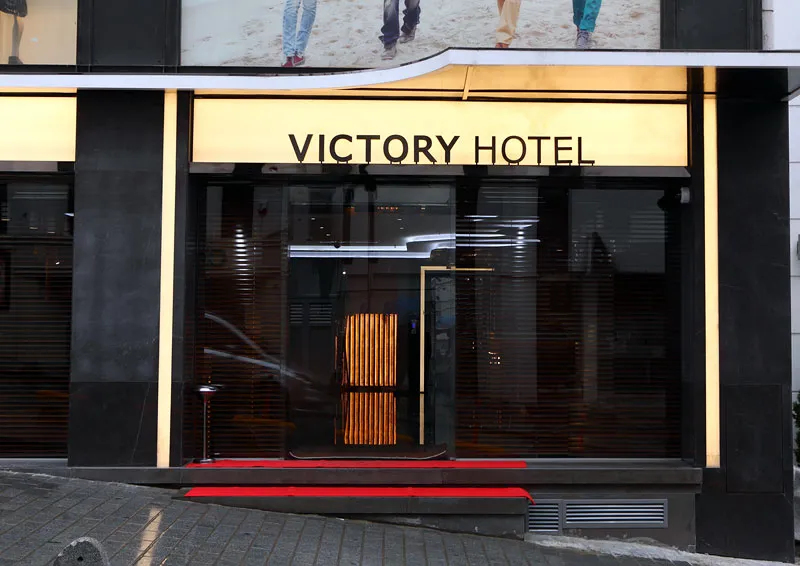
Book your private Turkish bath & massage at Victory Spa. Central location in Beyazıt, open daily 10:00–22:00.