The allure of the Turkish Hamam, an ancient bathing ritual, has transcended time, offering a unique blend of relaxation, cleansing, and cultural immersion. Originating from the Ottoman Empire, the Turkish Hamam is more than just a bath; it’s a profound cultural experience that intertwines history, wellness, and luxury. This article delves into the historical significance, sensory journey, modern appeal, and global influence of the Turkish Hamam, elucidating why it remains a cornerstone of wellness culture today and a sought-after wellness retreat for travelers and locals alike.
The Turkish Hamam, often referred to as a steam bath and a traditional Turkish bath, plays a pivotal role in the spa culture of Turkey and the broader bathhouse tradition. Rooted deeply in the traditions of the Roman thermae and Byzantine bathhouses, the hamam became an indispensable part of daily life during the Ottoman era. Bathhouses, such as the renowned Pasha Hamam Spa in Bodrum (often searched as “pasha hamam spa turkısh bath bodrum”), epitomize the architectural grandeur and cultural significance of these establishments. These structures were not just places for cleanliness but also social hubs where people gathered to relax, converse, and build community ties.
The Origins and Evolution
The history of the Turkish Hamam is intricately tied to the evolution of public bathing practices in ancient civilizations. As part of the enduring bathhouse tradition, its origins can be traced back to the Roman thermae, which were large public bathhouses that served as centers for socializing and relaxation. As the Byzantine Empire rose to prominence, these bathing traditions were adopted and adapted, leading to the creation of more elaborate bathhouses with intricate architectural designs.
The Ottoman Empire further refined these practices, establishing the hamam as a staple of Turkish culture. The Ottomans introduced new elements, such as the architectural use of domes and the integration of Islamic traditions, which emphasized cleanliness as a spiritual practice. Over time, the hamam evolved into a place not only for physical cleansing but also for spiritual purification and cultural exchange, reflecting the rich tapestry of influences that shaped its development.
Architectural Marvels
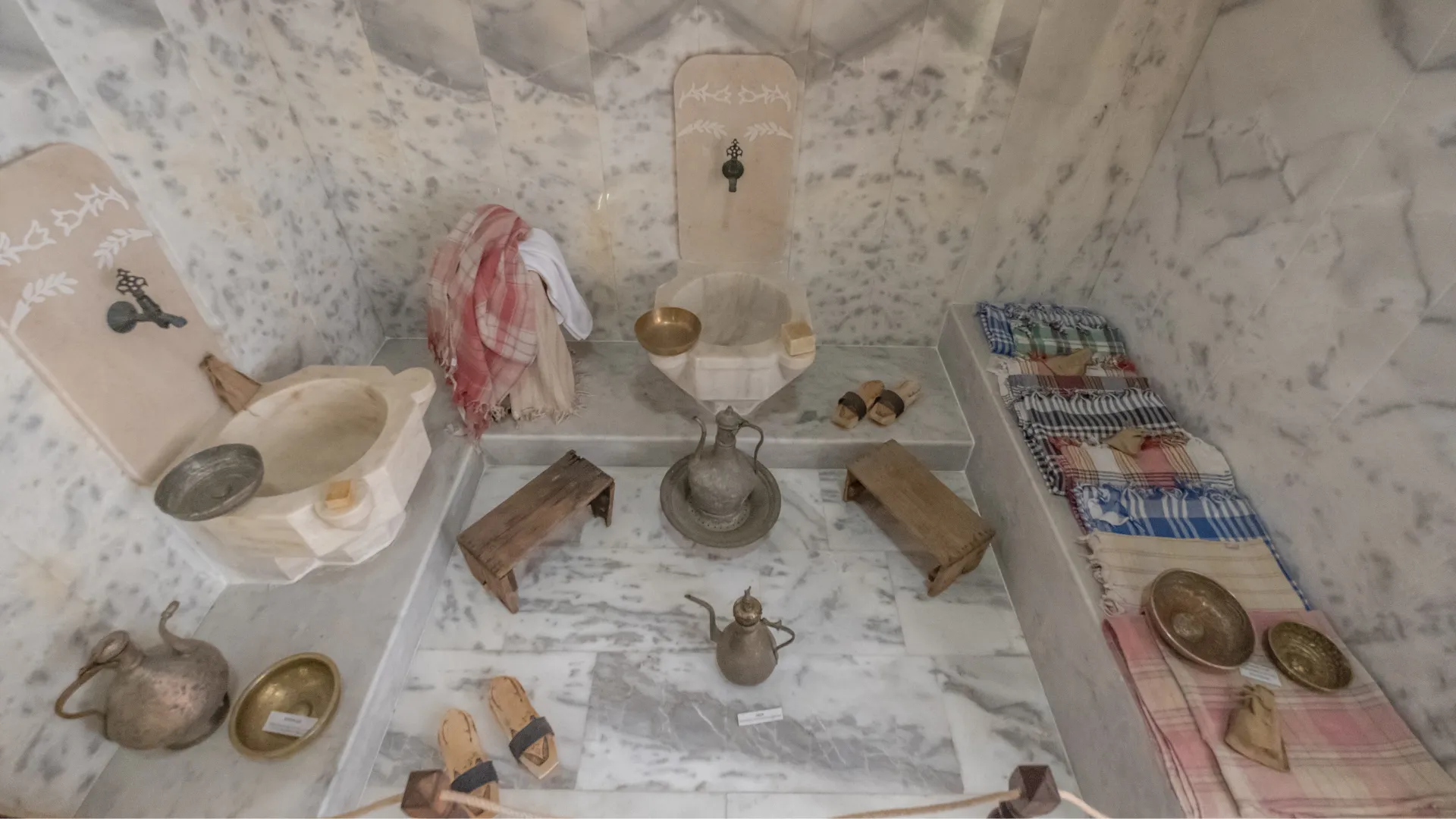
The architecture of Turkish Hamams is a testament to the artistry and craftsmanship of the past. These bathhouses are meticulously designed to create an ambiance of tranquility and opulence. Domed ceilings, often adorned with intricate mosaics and stained glass, allow natural light to filter in, casting a warm glow on the marble interiors. The use of high-quality marble not only adds to the aesthetic appeal but also plays a functional role in retaining heat, enhancing the overall experience.
The layout of a traditional hamam is carefully planned to guide visitors through a series of progressively warmer rooms, culminating in the central hot room or “hararet.” This deliberate design ensures that guests can acclimate to the increasing temperatures while enjoying a journey that soothes the senses. The architectural grandeur of Turkish Hamams continues to captivate visitors, offering a glimpse into the luxurious lifestyles of the past and the refined comfort of a traditional bath.
Cultural Significance
The Turkish Hamam holds deep cultural significance as a space where traditions and social norms are upheld. In Ottoman society, the hamam was a place where people from all walks of life could gather, transcending social and economic barriers. It served as a venue for important life events, such as weddings and births, where rituals and celebrations took place.
The hamam was also a place of learning and cultural exchange, where poets, musicians, and scholars would gather to share their knowledge and art. This cultural richness is still evident today, as modern hamams continue to serve as venues for cultural immersion and social interaction. By preserving these traditions, Turkish Hamams offer visitors an opportunity to connect with the past and experience the enduring legacy of a rich cultural heritage.
The Hamam Experience: A Journey of the Senses

The Turkish Hamam experience is a meticulously curated process, aimed at purifying both body and mind. It typically begins in the “hararet,” a heated room that resembles a steam bath, where the body acclimatizes to the warmth and humidity. This initial stage is crucial for opening the pores and preparing the skin for the cleansing rituals to follow, creating a memorable hamam experience.
The Ritual of Preparation
The journey into the Turkish Hamam begins long before entering the traditional bath. Guests are often given a traditional “pestemal,” a lightweight cotton wrap, to wear during their visit. This garment not only provides comfort but also connects guests to the historical practices of the hamam. As guests enter the bathhouse, they are greeted by the soothing aroma of essential oils and the gentle sound of trickling water, setting the stage for a sensory journey.
In the “hararet,” or hot room, the process of acclimatization begins. The warm, humid environment allows the body to relax, while the steam works its magic on the skin, opening pores and promoting detoxification. This preparation phase is essential for maximizing the benefits of the subsequent cleansing rituals, as it ensures that the body is primed for rejuvenation and relaxation.
The Cleansing Rituals
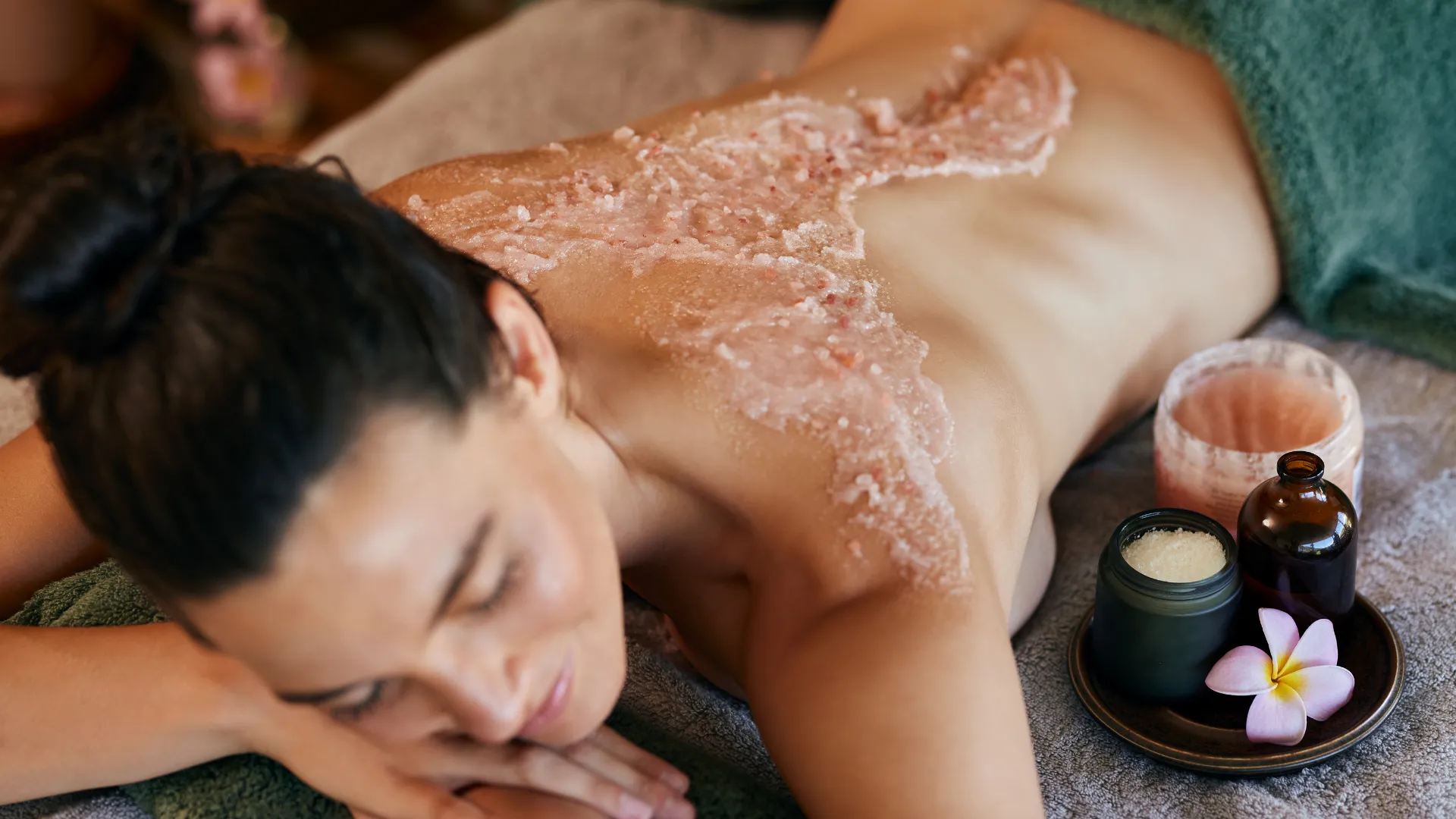
Central to the hamam experience are the cleansing rituals, which involve a series of methodical steps performed by skilled attendants. These include the “kese,” a vigorous exfoliation with a coarse mitt that removes dead skin cells, followed by a “köpük” wash, where the body is enveloped in luxurious, aromatic bubbles. This ritual not only rejuvenates the skin but also stimulates circulation and detoxifies the body, embodying the essence of relaxation therapy.
During the kese, the exfoliation process is both invigorating and invigorating, as the coarse mitt removes impurities and dead skin, leaving the body feeling refreshed and revitalized. The köpük wash, with its billowing clouds of fragrant foam, is a sensory delight, enveloping guests in a cocoon of relaxation. The combination of these rituals not only cleanses the body but also soothes the mind, promoting a sense of well-being and tranquility.
The Role of Water and Steam
Water and steam are elemental to the Turkish Hamam, serving as mediums for purification and relaxation. The interplay of hot and cold water, along with the enveloping steam, aids in soothing muscles, relieving stress, and enhancing the overall sense of well-being. This hydrating therapy is complemented by the ambient heat, which penetrates deep into the muscles, alleviating tension and promoting a profound sense of relaxation.
The use of water in the hamam is both therapeutic and symbolic, representing the cleansing of both body and spirit. The combination of hot and cold water therapies stimulates circulation, invigorating the body while promoting detoxification. The enveloping steam not only opens the pores but also creates a serene and calming atmosphere, allowing guests to unwind and let go of the stresses of daily life.
Wellness Retreat: The Modern Appeal of Turkish Spas
In today’s fast-paced world, the Turkish Hamam has gained renewed popularity as a wellness retreat, offering an escape from the rigors of daily life in a Turkish spa setting. Modern spa rituals incorporate traditional bath techniques, blending them with contemporary wellness practices to create a holistic experience.
Benefits for Physical and Mental Health

by Cansu Sarp (https://unsplash.com/@cansu_tech)
The therapeutic benefits of the hamam extend beyond mere relaxation. Regular participation in these spa rituals can improve skin health, enhance circulation, and bolster the immune system. Moreover, the meditative aspects of the hamam promote mental clarity and emotional balance, making it a powerful tool for stress management and overall wellness.
Looking for the Best Spa in Istanbul?
Private hammam, expert massage & premium wellness — open daily in Beyazıt.
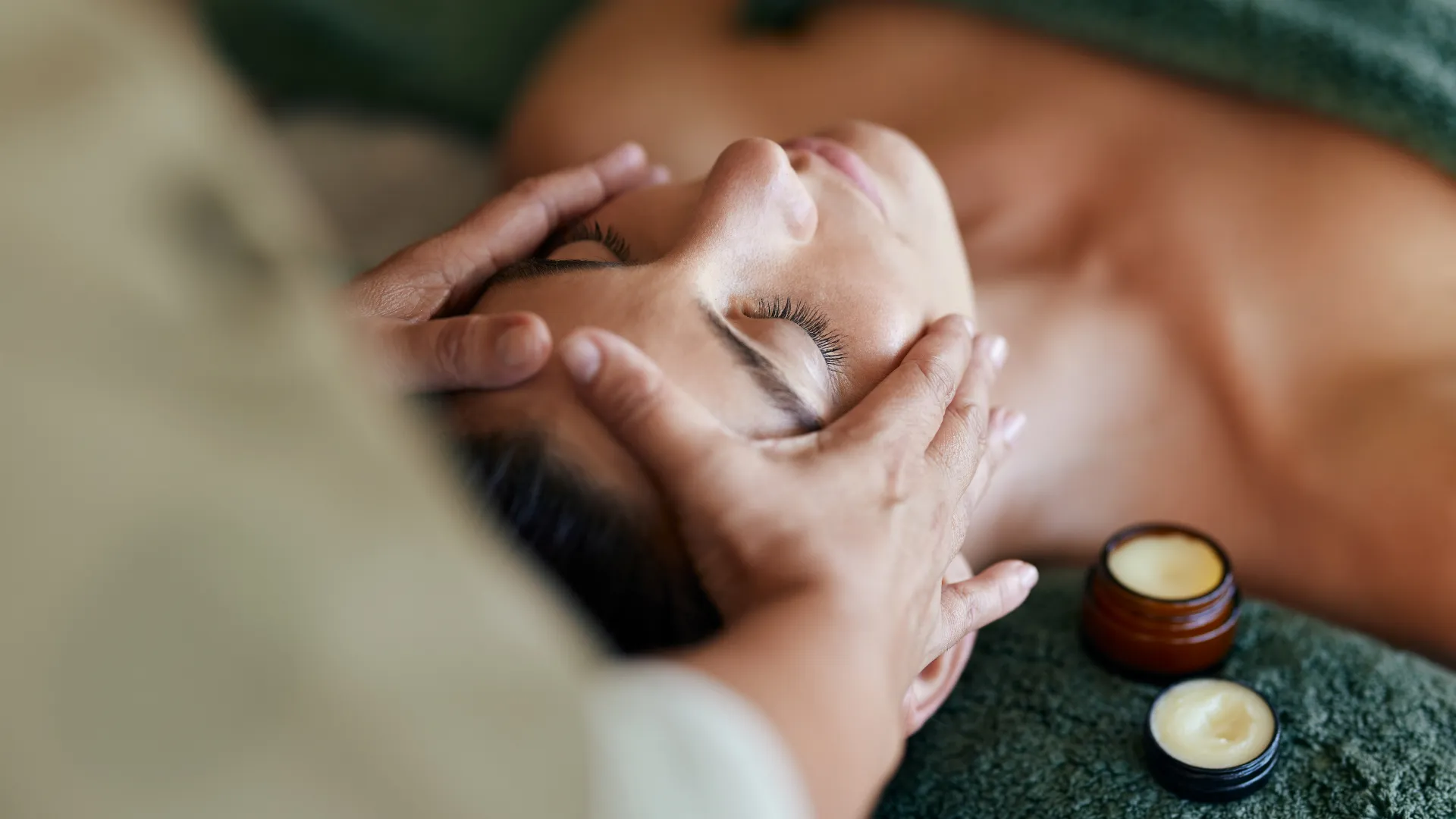
Book on WhatsAppThe physical benefits of the Turkish Hamam are numerous, with the combination of exfoliation, steam, and massage promoting healthy skin and improved circulation. The detoxifying effects of the cleansing rituals help to remove impurities from the body, supporting the immune system and promoting overall health. Additionally, the meditative qualities of the hamam encourage mindfulness and relaxation, providing a sanctuary for mental rejuvenation in a hectic world.
The Fusion of Tradition and Modernity
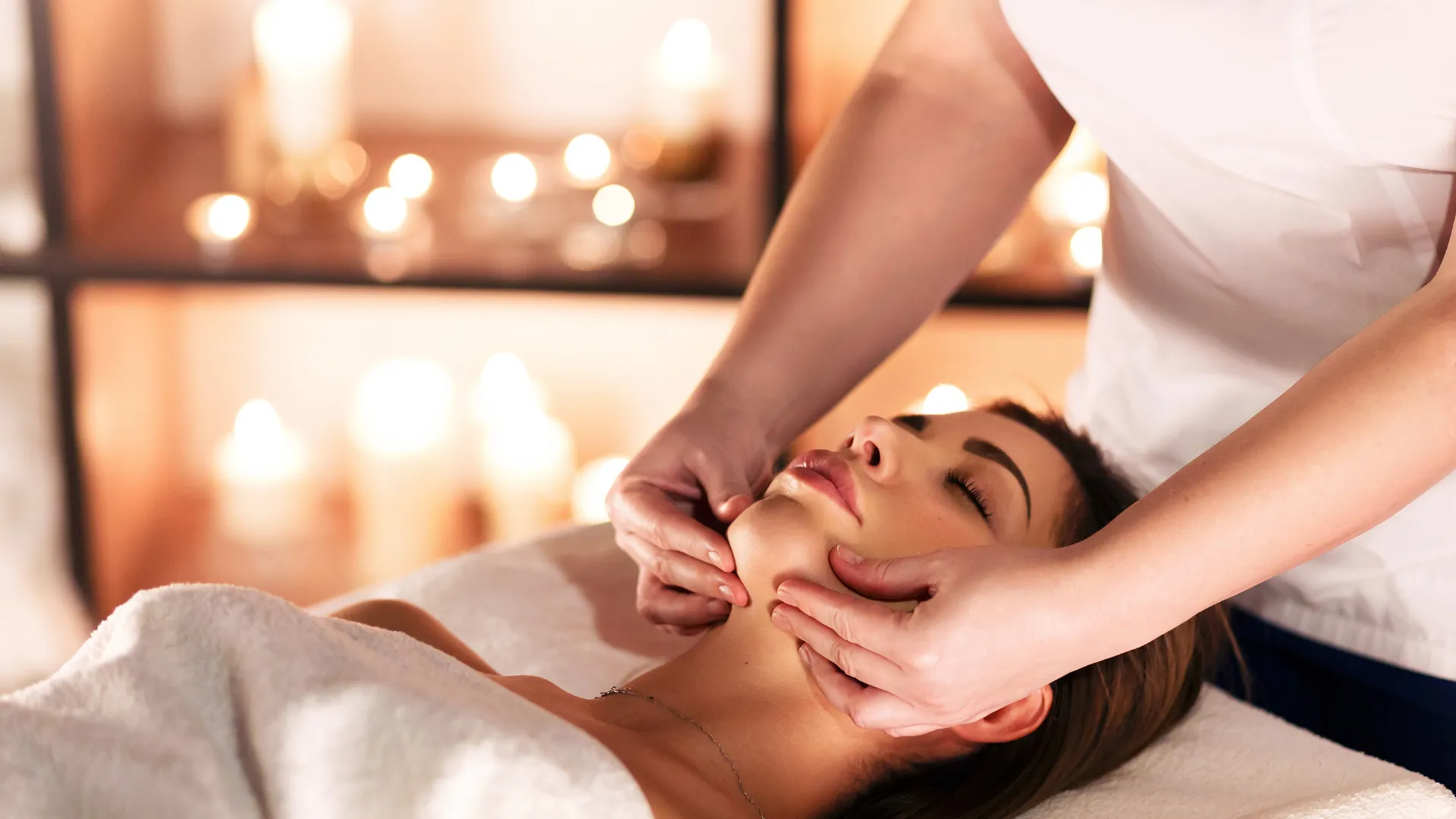
Modern Turkish spas have seamlessly integrated traditional hamam practices with contemporary wellness trends, creating a unique and holistic experience. While the core elements of the hamam remain unchanged, modern spas often incorporate additional treatments, such as aromatherapy, deep tissue massage, and skincare therapies, to enhance the overall experience. For travelers specifically seeking a turkish spa, these additions can personalize and deepen the ritual.
This fusion of tradition and modernity allows guests to enjoy the best of both worlds, experiencing the time-honored rituals of the hamam while benefiting from the latest advancements in wellness. By blending ancient practices with modern innovations, Turkish spas offer a comprehensive approach to health and relaxation, catering to the diverse needs of today’s wellness seekers.
A Sanctuary for Social Connection
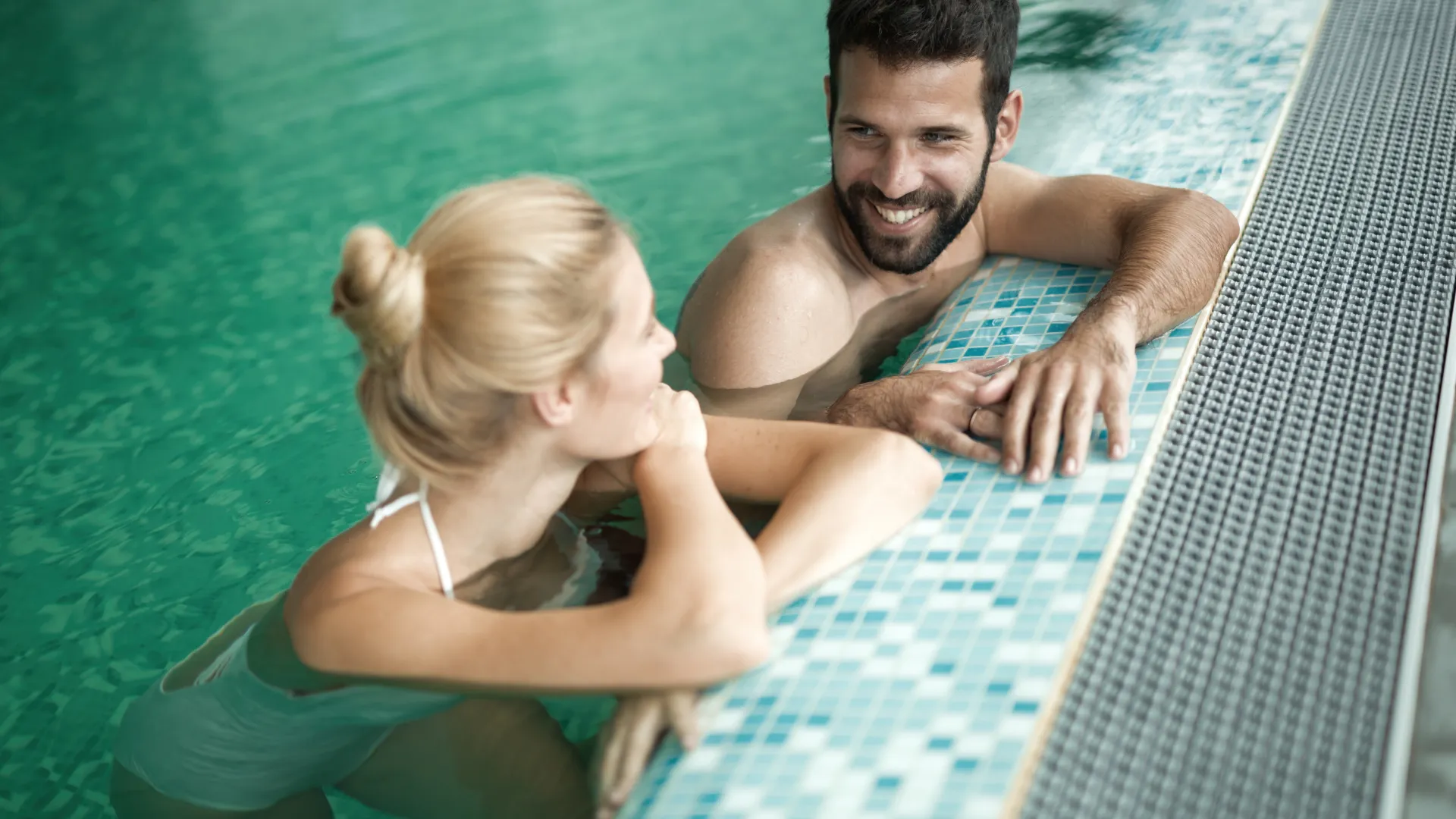
The Turkish Hamam is not only a place for personal rejuvenation but also a venue for cultural immersion and social interaction. It offers a glimpse into the rich tapestry of Turkish culture, where age-old traditions meet contemporary wellness trends. Participating in a hamam session allows individuals to connect with others, fostering a sense of community and belonging.
In a world where digital interactions often replace face-to-face connections, the hamam provides a unique opportunity for genuine social engagement. Guests can relax and unwind together, sharing stories and experiences in a tranquil setting. This sense of community is a hallmark of the Turkish Hamam, offering a space where people can come together to celebrate life, culture, and wellness.
Turkish Hamam in the Global Spa Culture
The influence of the Turkish Hamam has permeated global spa culture, with many wellness centers incorporating elements of this ancient tradition into their offerings. The appeal lies in its holistic approach to well-being, which resonates with those seeking comprehensive health and relaxation therapies, often through a traditional Turkish bath ritual adapted to local settings.
Embracing Authenticity in Spa Practices
Incorporating the authentic practices of the Turkish Hamam, such as the use of natural oils and traditional exfoliation techniques, enhances the authenticity and efficacy of spa treatments. This adherence to traditional methods ensures that the benefits of the hamam are preserved and passed on to future generations.
Spa centers around the world have embraced the authenticity of the Turkish Hamam by incorporating its traditional elements into their offerings. The use of natural oils, such as olive and eucalyptus, enhances the therapeutic benefits of treatments, while traditional exfoliation techniques ensure a genuine and effective experience. By staying true to the roots of the hamam, wellness centers can offer guests an authentic and transformative journey that honors the rich heritage of this ancient practice.
A Resurgence in Popularity
The resurgence in popularity of the Turkish Hamam can be attributed to its timeless appeal and adaptability to modern wellness trends. As people increasingly seek out authentic and immersive experiences, the hamam stands out as a testament to the enduring power of traditional bath rituals in promoting health and well-being.
In recent years, there has been a renewed interest in the Turkish Hamam as people seek authentic and meaningful experiences in their wellness journeys. The timeless appeal of the hamam, with its focus on relaxation, cleansing, and cultural immersion, resonates with those looking for a holistic approach to health. This resurgence in popularity is a testament to the enduring power of traditional bath rituals, which continue to captivate and rejuvenate individuals around the world.
Expanding the Global Wellness Landscape
The global influence of the Turkish Hamam has expanded the wellness landscape, introducing people to the rich traditions and therapeutic benefits of this ancient practice. Wellness centers and spas worldwide have embraced the hamam as a cornerstone of their offerings, providing guests with a unique and transformative experience.
By incorporating elements of the Turkish Hamam into their treatments, wellness centers can offer guests a holistic approach to health and relaxation that transcends cultural boundaries. The hamam’s emphasis on community, tradition, and well-being aligns with the growing demand for authentic and immersive wellness experiences. As the global wellness landscape continues to evolve, the Turkish Hamam remains a vital and enduring presence, enriching the lives of those who seek its rejuvenating embrace.
Conclusion: The Timeless Appeal of the Turkish Hamam
In conclusion, the Turkish Hamam offers a unique confluence of history, culture, and wellness, making it an indispensable part of the global spa landscape. Its enduring appeal lies in its ability to provide profound relaxation, foster community ties, and offer a glimpse into the rich cultural heritage of Turkey. Whether experienced in the opulent setting of a Pasha Hamam Spa in Bodrum or a local bathhouse, the hamam remains a quintessential wellness retreat that continues to captivate and rejuvenate individuals worldwide. Embracing this tradition not only enriches the body and soul but also offers a timeless journey into the heart of Turkish spa culture.
The Turkish Hamam’s timeless appeal is a testament to its ability to transcend cultural and temporal boundaries, offering a sanctuary for relaxation, rejuvenation, and cultural connection. Its rich history and therapeutic benefits make it a beloved tradition that continues to captivate individuals seeking a holistic approach to wellness. As the global wellness landscape evolves, the Turkish Hamam remains a steadfast symbol of the enduring power of ancient practices to promote health and well-being. By embracing this tradition, individuals can embark on a transformative journey that nourishes the body, mind, and spirit, connecting them to the vibrant tapestry of Turkish culture and the timeless art of relaxation.
Q&A
Question: What makes a Turkish Hamam different from a regular sauna or steam room? Short answer: A Turkish Hamam is a culturally rich, multi-stage bathing ritual rooted in Roman and Byzantine traditions and refined by the Ottomans. Beyond heat and steam, it features intentional architecture (domes, marble, filtered natural light), a guided progression through increasingly warm rooms culminating in the hararet, and hands-on cleansing rituals like the kese exfoliation and köpük foam wash. It also serves as a social and cultural hub, historically hosting gatherings, celebrations, and artistic exchange—far more than a simple heat experience.
Question: What should I expect during a traditional hamam session? Short answer: You’ll typically change into a pestemal (light cotton wrap), enter a warm, humid environment scented with essential oils, and begin acclimating in the hararet to open pores and relax muscles. Skilled attendants then perform a sequence of cleansing steps: a vigorous kese exfoliation to remove dead skin and impurities, followed by a luxurious köpük wash that envelops you in aromatic foam. Throughout, the interplay of hot and cold water and enveloping steam promotes circulation, detoxification, and deep relaxation.
Question: Which architectural features define a Turkish Hamam, and why do they matter? Short answer: Hallmarks include domed ceilings adorned with mosaics and stained glass that bathe marble interiors in soft, natural light. High-quality marble isn’t just decorative—it retains and radiates heat, enhancing comfort. The layout intentionally guides visitors through progressively warmer spaces toward the central hot room (hararet), ensuring a gradual, soothing thermal journey that supports the cleansing rituals and elevates the sensory experience.
Question: What are the main wellness benefits associated with the hamam? Short answer: The combined effects of steam, heat, exfoliation, and water therapy can improve skin health, enhance circulation, and support overall well-being. The ambient warmth helps ease muscle tension, while the kese and köpük steps aid in removing impurities and stimulating blood flow. Equally important are the meditative, calming aspects of the ritual, which promote mental clarity, emotional balance, and effective stress management.
Question: How have modern spas adapted and globalized the Turkish Hamam tradition? Short answer: Contemporary wellness centers worldwide incorporate core hamam elements—authentic exfoliation techniques and natural oils like olive and eucalyptus—while adding complementary treatments such as aromatherapy, deep-tissue massage, and skincare therapies. This fusion preserves the hamam’s authenticity and cultural resonance, aligns with modern wellness trends, and has fueled a resurgence in popularity by offering a holistic, immersive experience that emphasizes community, tradition, and comprehensive relaxation.
Experience the Best Spa in Istanbul
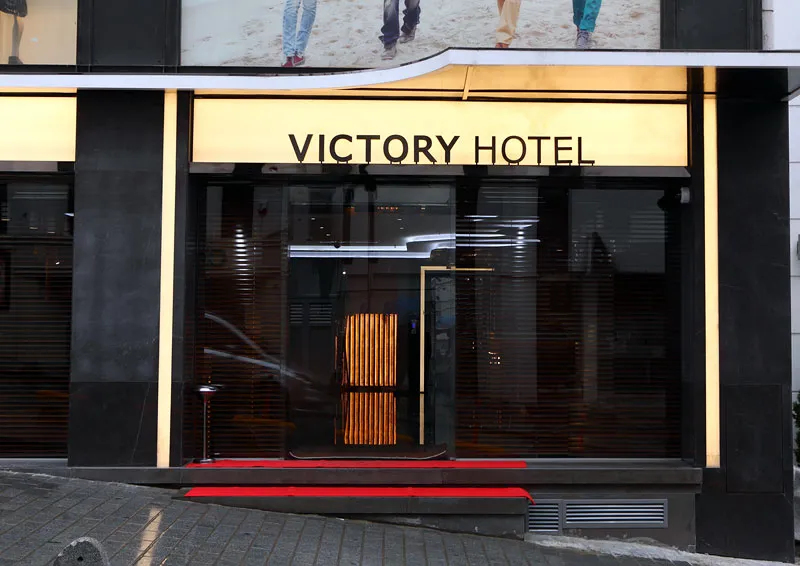
Book your private Turkish bath & massage at Victory Spa. Central location in Beyazıt, open daily 10:00–22:00.